Seattle’s damp climate makes it one of the most mold-prone regions in the country. Constant rain, coastal humidity, and cool temperatures create perfect conditions for hidden moisture — and where there’s moisture, mold isn’t far behind. If you’ve noticed a musty odor, spotted dark patches on your walls, or are experiencing increased allergy symptoms indoors, it’s time to consider a professional mold inspection in Seattle.
At Rytech Restoration of Seattle, our IICRC-certified technicians specialize in both mold inspection and mold remediation in Seattle, following the ANSI/IICRC S520 Standard for Professional Mold Remediation. We help homeowners, property managers, and businesses detect, contain, and remove mold safely while preventing future growth. Here’s how to choose the right mold inspection service — and why Rytech leads the way.
Understanding Mold Inspections in Seattle
Seattle’s climate is famous for its consistent moisture — and that moisture can infiltrate homes and buildings in unexpected ways. Leaky basements, poorly ventilated bathrooms, and damp attics are all potential hotspots. Even minor water intrusions from heavy rain or plumbing leaks can lead to mold growth within 24–48 hours.
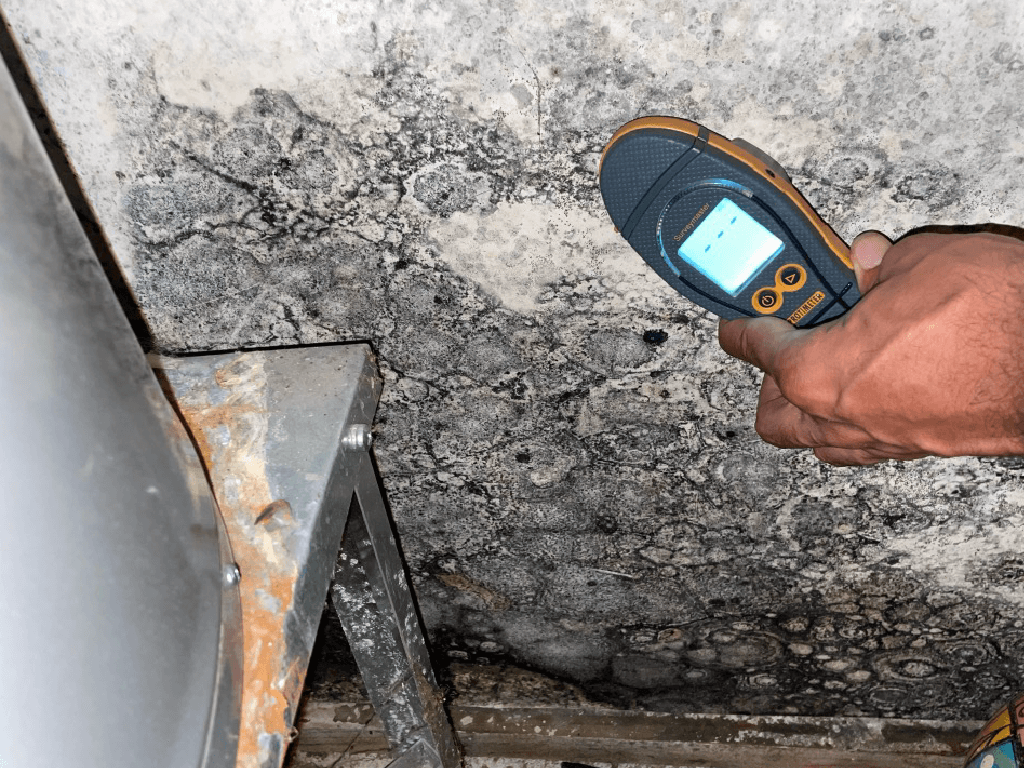
A professional mold inspection goes beyond what you can see. Rytech technicians use advanced detection equipment such as thermal imaging cameras, hygrometers, and moisture meters to locate hidden moisture pockets and concealed mold growth behind walls, under floors, and inside HVAC systems. The goal is to identify both the source and the extent of contamination before it spreads further.
Why Professional Mold Inspections Matter
Mold isn’t just unsightly — it can compromise air quality, damage building materials, and impact health when left untreated. Professional mold inspections are designed to identify not only where mold exists but also why it’s growing.
The ANSI/IICRC S520 Standard outlines best practices for mold inspection and remediation, including:
- Identifying active moisture sources
- Documenting affected materials
- Assessing contamination levels
- Developing a containment and remediation plan
Following this standard ensures inspections are accurate, safe, and lead to effective, lasting solutions. Certified professionals like Rytech provide precise documentation and safe remediation strategies, preventing recurring problems and unnecessary demolition.
What to Look for in a Mold Inspection Company in Seattle
Choosing the right company for a mold inspection in Seattle comes down to three key factors: certification, technology, and transparency.
- IICRC Certification: This guarantees that technicians are trained and follow industry-approved standards for inspection and remediation.
- Local Expertise: Seattle’s unique mix of rain, marine air, and older construction styles requires inspectors familiar with local building materials and moisture behavior.
- Advanced Tools: Professional equipment like infrared cameras and digital hygrometers detect what the eye can’t see.
- Clear Reporting: A reliable inspection includes photos, readings, and detailed findings with recommendations for mold remediation in Seattle if needed.
- Insurance Collaboration: Working with insurance carriers and adjusters streamlines claims and helps ensure accurate documentation.
The Rytech Restoration of Seattle Difference
As a trusted local provider backed by nearly 30 years of national Rytech experience, our Seattle team combines certified expertise with genuine care for the Pacific Northwest community.
We offer:
- IICRC-certified mold inspectors and remediation specialists
- 24/7 emergency response with on-site arrival in 4 hours or less
- Minimal demolition and precision drying techniques
- Comprehensive inspection reports with photographic documentation
- Assistance navigating insurance claims
- Clear communication from start to finish
“Seattle’s wet weather means water intrusion is part of life here,” says Rene Castillo, owner of Rytech Restoration of Seattle. “Our technicians know how to identify hidden moisture in homes built for our climate and safely restore properties using proven containment and drying methods.”
Rene Castillo, Owner, Rytech Restoration of Seattle
What to Expect During a Rytech Mold Inspection
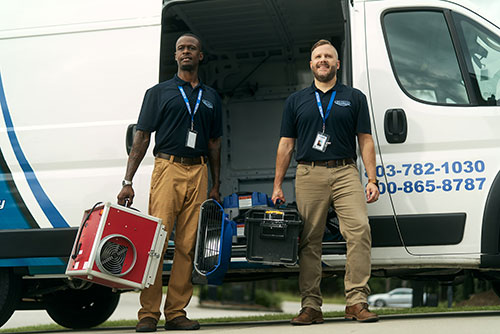
When you schedule a mold inspection with Rytech Restoration of Seattle, our process follows the highest standards of professional care.
Consultation & Assessment: We discuss your concerns, recent leaks, and any visible signs of mold.
Inspection & Moisture Detection: Using infrared and moisture tools, we pinpoint affected areas.
Containment Recommendations: If mold is confirmed, we provide guidance for safe containment and protection.
Testing (If Needed): Air and surface samples can be collected for lab analysis to determine spore type and concentration.
Detailed Report & Plan: You receive a full report with findings, images, and recommendations for certified mold remediation in Seattle.
This process follows both ANSI/IICRC S520 and ANSI/IICRC S500 standards for inspection and drying — ensuring reliable, documented results.
Common Mold Inspection Mistakes to Avoid
- Waiting too long after a water leak or flood
- Hiring unlicensed or uncertified companies
- Attempting DIY cleanup without proper containment
- Ignoring crawl spaces, attics, or HVAC systems
- Skipping post-remediation verification
Professional inspections from Rytech eliminate guesswork and help ensure lasting protection.
When to Call Rytech Restoration of Seattle
Call our certified team if:
- You notice musty odors or visible mold
- You’ve had recent water intrusion or high humidity issues
- You’re buying, selling, or managing a property
- You’ve experienced storm damage or leaks
We offer reliable mold inspection and mold remediation in Seattle to protect your property and restore healthy indoor conditions.
FAQs About Mold Remediation in the Pacific Northwest
If you’re seeking mold remediation in the Pacific Northwest, you’re not alone. Many homeowners and property managers turn to experts for guidance on keeping their properties safe and healthy. To make things easier, we’ve put together a list of frequently asked questions covering everything from the remediation process and costs to expected timelines, helping you understand what to expect every step of the way.


