If you’re looking into mold remediation services in Seattle, you’re probably dealing with a situation that doesn’t feel simple. Maybe there’s a musty smell that won’t go away, or you’ve noticed discoloration on a wall after a long stretch of rain. In a place like Seattle, where moisture is part of daily life, mold problems show up more often than many homeowners expect. Understanding how mold forms, how it spreads, and how professional remediation works will help you take control of the situation before it grows into something larger.
Understanding Mold Problems in Seattle Homes
Mold is a living organism that thrives in damp environments. Inside homes across Seattle and King County, it grows when moisture lingers on materials like drywall, wood framing, and insulation. That moisture often comes from leaks, condensation, or past water damage that didn’t fully dry.
This goes beyond surface staining. Mold signals that a moisture imbalance exists in the structure. According to restoration industry standards, microbial growth connects directly to unresolved water intrusion and improper drying conditions .
In Seattle’s climate, where rain and humidity can stretch across months, that connection becomes even stronger. When moisture sits too long, materials begin to break down, and mold follows right behind.
Common Causes of Mold Growth in King County Properties
Across neighborhoods in Seattle, Bellevue, and Renton, we often see mold start from everyday issues. A slow leak under a kitchen sink. Rainwater intrusion through aging roofing. Condensation buildup in poorly ventilated attics.
Older homes in Seattle, especially those with tighter building envelopes or limited airflow, tend to trap moisture more easily. Basements, crawlspaces, and bathrooms are common problem areas, but attics in homes around Woodinville and Federal Way can also develop hidden moisture pockets.
A small water issue might seem manageable at first. But when it goes unchecked, moisture spreads through materials, and mold begins to grow in areas you can’t see.
Health Concerns Linked to Mold Exposure
Indoor environments with elevated mold spores can affect how people feel day to day. Some notice irritation in their throat or eyes. Others experience ongoing congestion or headaches that don’t seem to have a clear cause.
In homes across Tacoma and King County, we’ve seen families connect these symptoms back to hidden mold after an inspection. Children, older adults, and individuals with sensitivities tend to react more quickly, but anyone can feel the effects over time.
Air movement plays a role here. HVAC systems can circulate particles throughout the home, which is why proper containment and air filtration are part of the remediation process.
Signs Mold May Be Present in Your Home
Sometimes mold is obvious. Dark spots on drywall, bubbling paint, or warped trim can point directly to a moisture issue. Other times, the signs are more subtle.
A persistent musty odor often tells the story before anything becomes visible. You might also notice allergy-like symptoms that improve when you leave the house. That pattern raises questions worth exploring.
Mildew typically stays on surfaces and cleans off easily. Mold behaves differently. It can embed itself into materials, which means surface cleaning won’t solve the underlying problem.
Why Professional Mold Remediation Makes the Difference

Surface cleaning might remove what you see, but it won’t address what’s behind the walls. Without identifying the moisture source and managing contamination properly, mold will return.
Professional remediation follows a structured process based on standards like ANSI/IICRC S520, which defines how to handle mold contamination safely and effectively .
At Rytech Restoration of Seattle, the focus stays on identifying the source, containing the affected area, and removing contamination while protecting the rest of the property. Advanced equipment and drying science play a key role in this process, helping reduce disruption and preserve materials whenever possible.
How Mold Inspection and Testing Defines the Scope
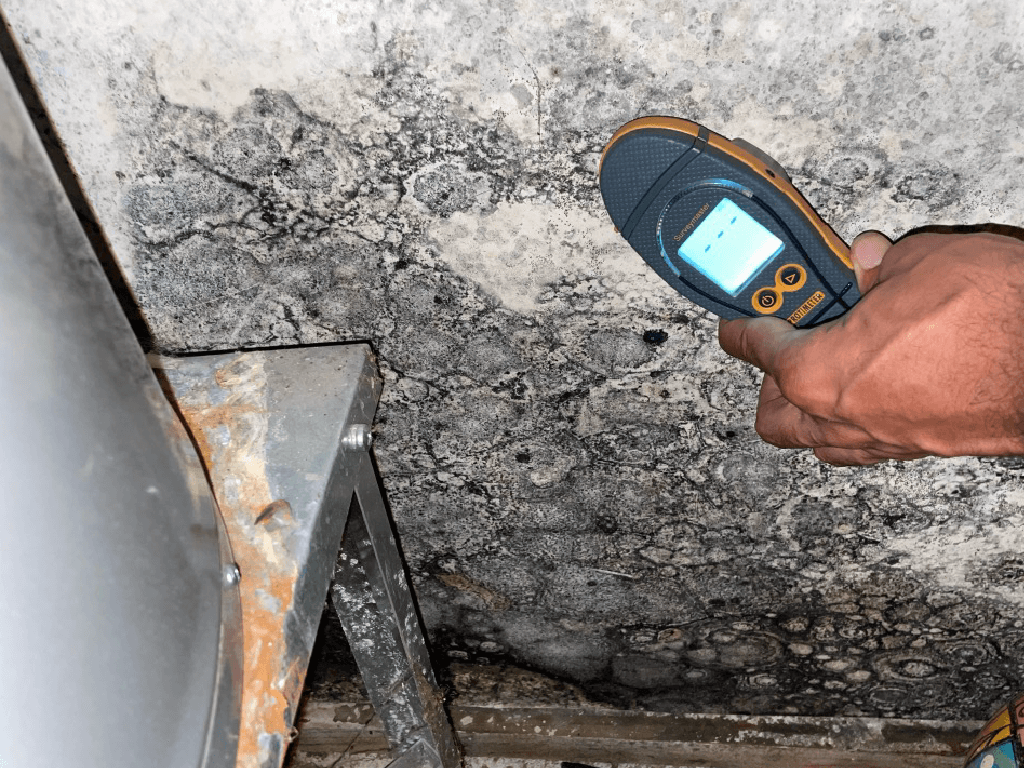
Before any remediation begins, the first step is understanding what’s happening inside the structure. Visual inspections provide clues, but moisture detection tools reveal what’s hidden.
Technicians measure moisture levels in walls, floors, and ceilings. In certain cases, air sampling or surface testing helps define how far contamination has spread, especially in larger homes or commercial buildings in King County.
This information shapes the remediation plan, ensuring that every affected area is addressed.
What Happens During the Mold Remediation Process
The process starts with containment. Barriers and negative air pressure systems isolate the affected space so particles do not travel into clean areas.
Air filtration devices equipped with HEPA filters capture airborne contaminants during the work. Materials that cannot be restored are carefully removed, while structural components that can be saved are cleaned and treated using specialized methods.
Throughout the project, documentation remains detailed and consistent. Photos, readings, and updates keep homeowners, property managers, and insurance partners informed at every stage.
Timeline and What You’ll Experience
The timeline depends on the size and complexity of the issue. A smaller, contained area may take a few days. Larger projects involving multiple rooms or commercial spaces in Seattle or Bellevue may take longer.
Communication remains steady from start to finish. You’ll know what’s happening inside your home and what steps are coming next. That clarity helps reduce stress during a situation that already feels overwhelming.
Post-Remediation Verification and Indoor Air Quality
After remediation, the focus shifts to confirming results. The goal is to return the indoor environment to a normal condition.
Post-remediation verification may include third-party indoor air quality testing when needed. This aligns with industry practices that emphasize confirming the success of remediation efforts before normal occupancy resumes .
Understanding Costs and Insurance Support
The cost of mold remediation depends on the size of the affected area, how far contamination has spread, and the materials involved. In many cases, mold originates from a water event such as a pipe break or appliance leak.
For homeowners, the insurance process can feel unfamiliar. Rytech Restoration of Seattle works closely with insurance carriers and adjusters, providing clear documentation and helping guide the process from inspection through completion.
DIY Mold Removal Compared to Professional Help
Small surface spots might be manageable with proper cleaning, but deeper contamination requires a different approach. Without containment and proper removal methods, spores spread to other areas of the home.
Professional remediation brings training, equipment, and process together. That combination addresses both the visible mold and the underlying conditions that caused it.
Preventing Mold from Returning in Seattle Homes
Moisture control drives prevention. Regular inspections, proper ventilation, and quick response to leaks all play a role.
In Seattle’s climate, attic ventilation and crawlspace moisture control make a noticeable difference. Keeping humidity levels balanced indoors reduces the chance of future growth.
Smart Improvements for Long-Term Protection
Home improvements can also help reduce risk. Mold-resistant drywall, improved insulation, and better ventilation systems create a more stable indoor environment.
In moisture-prone areas like bathrooms or basements, these upgrades provide long-term value by limiting how moisture interacts with building materials.
Safety Standards and Regulations That Guide the Process
Mold remediation follows established guidelines that focus on safety, documentation, and proper procedures. The ANSI/IICRC S520 standard provides the framework used by certified professionals to manage contamination and protect occupants .
These standards guide everything from containment setup to post-remediation verification, ensuring consistent results across residential and commercial projects.
Choosing a Mold Remediation Partner in Seattle
Experience matters, especially in a region where moisture issues are common. Look for certified professionals who follow industry standards, provide clear documentation, and communicate throughout the process.
“In Seattle, we see mold tied to long-term moisture exposure, especially in attics and crawlspaces where airflow is limited. Many homes use materials that absorb moisture quickly, so identifying the source early changes the entire outcome. Our team focuses on accurate inspections and controlled remediation so property owners can move forward with confidence.”
Rene Castillo, Owner, Rytech Restoration of Seattle
Preparing Your Home Before and After Remediation
Before work begins, clearing access to affected areas helps the process move efficiently. During remediation, keeping family members and pets away from containment zones maintains a controlled environment.
After completion, monitoring humidity levels and staying alert to new moisture issues helps protect the work that was done.
Local Expertise You Can Rely On in Seattle and Beyond
From residential homes in Seattle to commercial properties in Bellevue, Kent, and across King, Snohomish, and Pierce counties, each structure presents its own challenges. Local knowledge helps identify patterns that others might miss.
If you’re dealing with a mold concern, working with a team that understands Seattle’s climate and construction styles makes a measurable difference. Learn more about professional mold remediation services in Seattle and how a structured, science-based approach can restore your property and indoor environment.
Get Inspected to Stay Protected

If something feels off in your home, whether it’s a smell, a stain, or a concern after water damage, taking action now will limit how far the problem spreads.
FAQs About Mold Remediation in the Pacific Northwest
If you’re seeking mold remediation in the Pacific Northwest, you’re not alone. Many homeowners and property managers turn to experts for guidance on keeping their properties safe and healthy. To make things easier, we’ve put together a list of frequently asked questions covering everything from the remediation process and costs to expected timelines, helping you understand what to expect every step of the way.


