Seattle’s damp climate and long rainy season make mold a year-round concern for property owners across King County and neighboring Snohomish and Pierce Counties. Between steady rainfall, cool marine air, and high indoor humidity, mold can develop quickly in attics, basements, or anywhere moisture lingers.
At Rytech Restoration of Seattle, our team of IICRC-certified specialists understands how the Pacific Northwest’s weather and construction styles affect moisture intrusion. We follow the ANSI/IICRC S520 standard for professional mold remediation in Seattle, using proven science-based methods to protect both property and people.
What Causes Mold Growth in Seattle Homes and Buildings
Mold needs moisture to grow—and in Seattle, moisture is everywhere. From leaky roofs and poorly sealed windows to hidden plumbing leaks, water often finds its way into walls and flooring. Poor ventilation in bathrooms and basements makes the problem worse.
Flooding from heavy rains or sump pump failures can also lead to trapped moisture inside building materials. Once wet materials stay damp for 24–48 hours, mold spores can begin to colonize. Detecting these problems early can prevent a full-blown infestation.
Health Risks Associated With Mold Exposure
Mold affects more than just the appearance of your property—it impacts health and comfort. Short-term exposure often causes sneezing, skin irritation, headaches, and eye discomfort. Long-term exposure can lead to more serious respiratory conditions or worsen asthma symptoms.
Children, seniors, and those with immune sensitivities are more vulnerable. Professional mold remediation helps restore indoor air quality and reduces health risks for building occupants.
How to Recognize Mold Problems in Seattle Properties
Not all mold is visible, and in many Seattle properties, it hides behind drywall or beneath flooring. Common indicators include:
- A persistent musty or earthy smell
- Dark or discolored patches on ceilings or walls
- Peeling paint or warped drywall
- Worsening allergy symptoms indoors
In older homes and buildings, especially those with wood framing or plaster walls, mold often develops after slow leaks or unnoticed condensation.
Mold Inspection and Testing Procedures
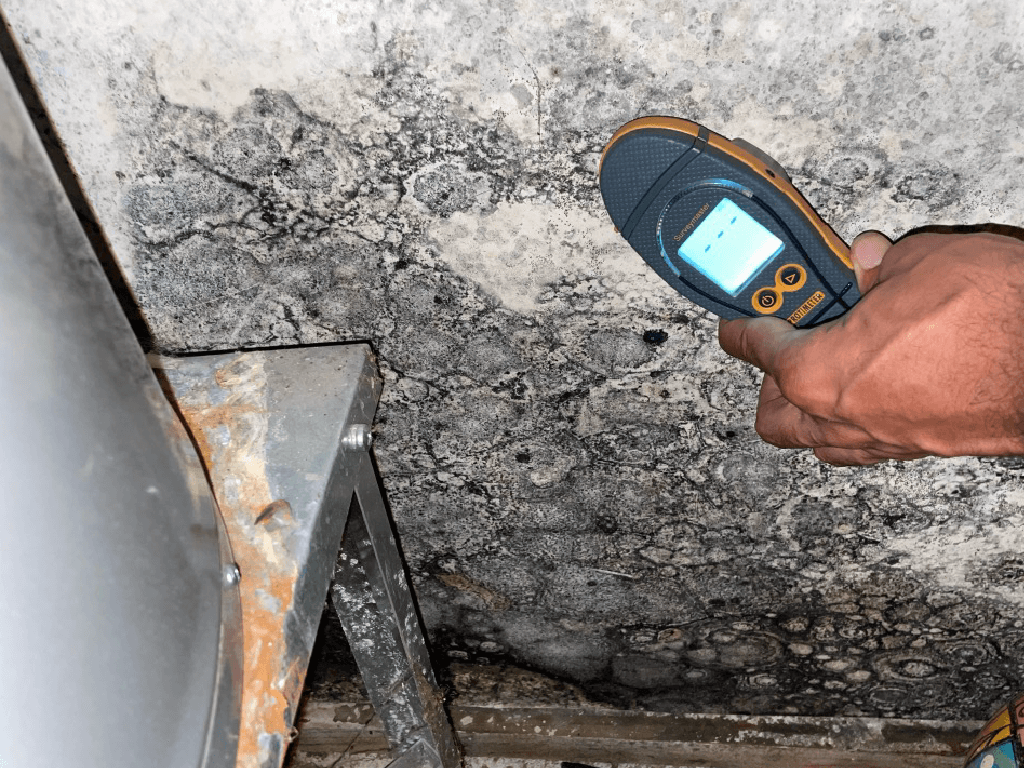
A professional inspection determines how far mold has spread and what caused it. At Rytech Restoration of Seattle, our technicians use thermal imaging cameras, moisture meters, and hygrometers to detect hidden dampness inside structural cavities.
When needed, air and surface sampling identifies spore levels and types of mold present. The findings guide our remediation plan, ensuring the safest and most effective cleanup possible in accordance with IICRC S520 standards.
The Professional Mold Remediation Process
Effective mold remediation follows a clear sequence of steps designed for safety, containment, and thorough removal:
- Inspection and Assessment – Evaluate the contamination source, materials affected, and moisture levels.
- Containment – Seal off affected areas to prevent spores from spreading.
- Air Filtration – Use HEPA-filtered air scrubbers to clean the air during remediation.
- Mold Removal – Safely clean or remove materials that cannot be restored.
- Cleaning and Sanitization – Disinfect all surfaces and restore a clean indoor environment.
- Drying and Dehumidification – Eliminate lingering moisture to prevent regrowth.
- Post-Remediation Verification – Confirm that the area meets cleanliness and safety standards.
Each step is documented for insurance and compliance purposes, giving homeowners, property managers, and adjusters peace of mind.
Containment and Air Filtration Techniques
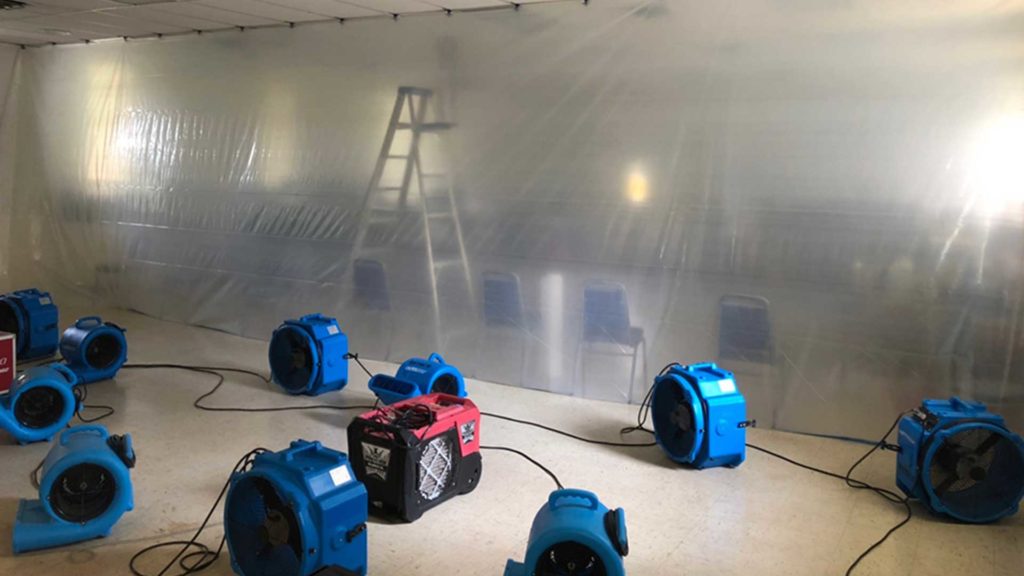
Containment keeps mold spores confined to the affected zone. Technicians use polyethylene barriers, zip walls, and negative air pressure machines to isolate the space.
Air scrubbers equipped with HEPA filters continuously capture airborne particles during cleanup, protecting clean areas of the property. Proper containment ensures the problem doesn’t spread while remediation is underway.
Mold Removal and Cleaning Tools
Professional remediation relies on specialized equipment and methods that exceed standard cleaning. Technicians use HEPA vacuums, wire brushes, and antimicrobial cleaning agents to remove mold from surfaces safely.
When materials like drywall or insulation are too damaged to restore, they’re carefully removed and disposed of according to local regulations.
Drying and Dehumidification
Moisture control is the foundation of long-term prevention. After mold removal, the area is dried using industrial-grade dehumidifiers and air movers. Moisture readings are taken throughout the process to ensure all materials have reached equilibrium moisture content.
The ANSI/IICRC S500 Water Damage Restoration Standard provides detailed guidance on this process, ensuring structures are dried properly to prevent future growth.
Preventing Mold from Returning
The Pacific Northwest climate demands proactive moisture control. Property owners can reduce risk by:
- Fixing roof leaks immediately
- Running exhaust fans in bathrooms and kitchens
- Maintaining indoor humidity between 30% and 50%
- Scheduling annual inspections, especially after water events
Preventive maintenance saves time and costs, especially in older Seattle buildings with wood siding or basement crawl spaces prone to dampness.
When to Hire Certified Mold Remediation Professionals
Hiring certified professionals guarantees that your remediation follows ANSI/IICRC S520 standards for safety and effectiveness. Certified technicians have the training, experience, and specialized tools needed to identify moisture sources and properly contain contamination.
“Seattle’s buildings face constant exposure to moisture—from rain, fog, and even daily condensation. Our team understands the local construction types and how to dry structures efficiently without unnecessary demolition. We treat every job like it’s our own property.”
Rene Castillo, Owner, Rytech Restoration of Seattle
Costs Involved in Mold Remediation
Costs depend on the size of the affected area, contamination level, and type of materials involved. Small residential projects may cost less, while larger commercial or multi-unit properties require more containment, testing, and time.
Every Rytech Restoration project includes transparent pricing and detailed documentation for insurance review.
Insurance Coverage for Mold Damage
Mold remediation may be covered by your homeowner’s or commercial insurance if it results from a sudden and accidental event—such as a burst pipe or storm-related water damage.
Rytech’s administrative team helps property owners document the source of damage, remediation steps, and supporting photos to make insurance communication smoother and more efficient.
Post-Remediation Verification and Clearance Testing
Once the work is complete, a post-remediation verification (PRV) ensures the property meets acceptable air quality and cleanliness standards. Independent air or surface testing may be performed to confirm that remediation was successful and that moisture levels are stable.
This step provides property owners, managers, and insurers with confidence that the building is ready for reoccupation.
DIY vs. Professional Mold Remediation

While small patches of surface mold can sometimes be cleaned safely, large or hidden infestations require professional containment and removal. Without proper tools or knowledge, DIY efforts often spread spores to unaffected areas, making the problem worse.
Professional remediation restores safe conditions quickly, minimizes disruption, and includes full documentation for insurance and property records.
Legal and Regulatory Compliance in Mold Remediation
Washington State enforces environmental and safety regulations for mold remediation and disposal. Rytech Restoration of Seattle complies with these regulations and follows the ANSI/IICRC S520 standard of care to ensure safety for both workers and occupants.
Compliance protects property owners, managers, and insurers by providing verifiable documentation and a professional chain of custody.
Get Inspected to Stay Protected
Seattle’s moisture-rich climate makes mold prevention an ongoing challenge—but with the right partner, you can stay ahead of it. Whether you’re managing a commercial property in Bellevue, a home in Tacoma, or a rental unit in Kent, Rytech Restoration of Seattle is ready to help.
Our certified technicians provide 24/7 mold inspection, water mitigation, and restoration services backed by over 30 years of industry experience.
If you suspect mold or notice lingering moisture, get inspected to stay protected.
FAQs About Mold Remediation in the Pacific Northwest
If you’re seeking mold remediation in the Pacific Northwest, you’re not alone. Many homeowners and property managers turn to experts for guidance on keeping their properties safe and healthy. To make things easier, we’ve put together a list of frequently asked questions covering everything from the remediation process and costs to expected timelines, helping you understand what to expect every step of the way.


