A rainy Seattle morning can become a stressful one when you discover water dripping through the ceiling. Maybe a pipe burst overnight, your basement flooded after heavy rain, or a slow leak beneath the kitchen sink finally soaked through the cabinets.
The water you can see is only part of the problem. Moisture can travel beneath flooring, soak into drywall, and collect inside wall cavities. When those materials stay damp, mold can begin growing within 24 to 48 hours under favorable conditions.
Seattle's cool, rainy climate adds another challenge. During the wet season, outdoor air may not provide the drying conditions your home or business needs. Even a small leak can create hidden moisture that remains long after you have wiped up the puddles.
For property owners throughout Seattle, King County, and the surrounding Puget Sound region, preventing mold begins with fast action, careful moisture detection, and thorough drying.
Whether you own a Craftsman home in Ballard, manage an apartment building in Bellevue, or operate a business in Kent, knowing what to do after water damage can help you protect your property, reduce unnecessary costs, and avoid disruptions.
Recognizing Water Damage in Seattle Homes and Businesses
Water damage does not always leave a large puddle. Sometimes, the first clue is a yellow ceiling stain, bubbling paint, or a musty smell that seems stronger when you open a closet.
Seattle properties experience water damage from several sources. Roof leaks can develop during long periods of rain, plumbing connections can fail behind cabinets, and washing machines or water heaters can release water without warning. During winter cold snaps, exposed or poorly insulated pipes may also freeze and burst.
Older Seattle homes often contain plaster walls, hardwood floors, wood framing, and basements or crawl spaces. These materials and building features can make water damage difficult to spot. A leak behind plaster may travel along framing before becoming visible in another room.
Newer apartments and commercial buildings present different challenges. Water can move beneath engineered flooring, through shared walls, or above suspended ceilings. In a multi-unit property, a leak from one space may affect several others.
Look for changes in the materials around you. Hardwood floors may begin to cup, baseboards can swell, and drywall may feel soft. Peeling paint, damp carpet, and recurring odors can also point to moisture hidden beneath the surface.
If something looks or smells different after a leak or storm, finding the moisture source early can prevent additional damage.
What to Do Immediately After Water Enters Your Property
Imagine discovering two inches of water in your Seattle basement after a plumbing failure. Your first instinct might be to grab a mop and start cleaning. Before doing that, identify where the water came from and check the area for hazards.
Water near electrical outlets, appliances, or exposed wiring can create dangerous conditions. Stay away from affected electrical equipment and arrange for power to be shut off safely when needed. If a plumbing fixture is leaking, close the nearest shutoff valve or the main water supply when you can reach it safely.
Next, consider the source of the water. A broken drinking-water supply line presents different conditions than a sewage backup or outdoor floodwater. Water that enters from streets, drains, or other contaminated sources may carry bacteria, debris, and other unwanted materials.
Protect unaffected rooms by limiting movement through the damaged area. Wet shoes, tools, and belongings can transfer moisture and contaminants into spaces that were not originally affected.
For a small clean-water spill, towels, mops, or a suitable wet vacuum can help collect surface water. Larger water losses often require professional extraction equipment to remove water efficiently.
Rytech Restoration of Seattle helps property owners assess the water intrusion, identify affected materials, and establish a mitigation plan based on the conditions inside the building.
Drying Water-Damaged Rooms in Seattle's Damp Climate
Removing standing water is only the first stage of drying. Building materials can hold moisture long after the floor looks clean.
Consider a plumbing leak inside an older home in Queen Anne. Water may travel beneath hardwood flooring, soak into the subfloor, and enter the lower sections of nearby walls. The visible surface may feel dry while moisture remains inside the building.
Start by moving dry belongings away from affected areas. Small washable rugs exposed to clean water can be moved to a suitable drying location. Furniture that is not damaged may also be moved to provide better access to wet flooring and walls.
Towels and mops help remove surface moisture, but they cannot draw water from deep inside porous materials. This is where controlled drying becomes useful.
Opening windows and doors may help when outdoor air is drier than indoor air. However, Seattle's rainy weather often makes outdoor ventilation less effective. On a cool, damp day, opening windows may introduce additional moisture and slow drying.
Professional restoration technicians measure moisture levels in affected materials and monitor changes throughout the drying process. These readings help determine whether materials are drying as expected or whether additional action is needed.
Rytech Restoration of Seattle focuses on restoring materials that can be safely dried, helping property owners avoid unnecessary removal of salvageable building components.
How Dehumidifiers and Air Movers Help Prevent Mold
Dehumidifiers and air movers work together during professional water damage restoration, but each piece of equipment has a different job.
Air movers direct airflow across wet surfaces, helping moisture evaporate from affected materials. Dehumidifiers remove water vapor from the air, allowing the drying process to continue without indoor humidity becoming too high.
Equipment placement depends on the room layout, the materials involved, and the extent of water damage. Technicians may position air movers along affected walls or flooring while placing dehumidifiers where they can process the room's air efficiently.
A household fan may help dry a minor clean-water spill on a hard surface. However, it cannot confirm whether moisture has been removed from a wall cavity or beneath flooring. Fans may also spread particles when mold growth or contamination is present, so airflow must match the conditions of the loss.
Professional drying equipment often operates continuously while technicians monitor temperature, humidity, and material moisture levels. Drying time varies depending on how much water entered, how long materials remained wet, and which building components were affected.
For a Seattle homeowner or commercial property manager, this measured approach provides a clearer picture of drying progress than simply waiting for a room to feel dry.
When Wet Carpet, Drywall, and Insulation Need to Be Removed
After water damage, many property owners worry that large sections of flooring and walls will need to be torn out. Fortunately, some wet materials can be dried and restored when mitigation begins quickly and conditions allow.
The decision depends on the water source, material type, exposure time, and level of contamination.
Carpet affected by clean water may sometimes be restored. However, carpet padding can retain moisture and may require removal depending on its condition. Materials exposed to sewage or outdoor floodwater generally need a different assessment because contamination can remain inside porous surfaces.
Drywall absorbs moisture through its paper facing and gypsum core. Some sections can be dried under suitable conditions, while severely damaged or contaminated sections may require controlled removal.
Insulation presents another challenge. Water can remain trapped inside a wall even when the painted surface feels dry. Certain insulation materials may lose performance when wet or become difficult to clean after contamination.
Older Seattle properties may contain plaster walls, wood framing, and multiple flooring layers. These features can make moisture detection and drying more complex.
Rytech Restoration of Seattle focuses on restoring salvageable materials and limiting unnecessary demolition. A careful moisture inspection helps determine which materials can remain and which must be removed.
Cleaning Water-Damaged Surfaces Without Spreading Contamination
Cleaning is part of water damage recovery, but not every wet surface should be treated the same way.
Nonporous materials, including glass, metal, and certain tile surfaces, are generally easier to clean because water does not readily penetrate them. Porous materials, such as carpet padding, insulation, and some wall finishes, can absorb moisture and hold contaminants beneath the surface.
For a small clean-water spill, an appropriate household cleaner may help remove dirt and residue after the surface has been dried. More complex water losses may require specialized cleaning methods and disinfectants selected for the materials involved.
Bleach and antimicrobial products are not substitutes for proper cleaning and drying. Applying a chemical to a damp wall does not remove water trapped behind it, and surface treatment alone cannot address mold growth inside porous materials.
Professional mold remediation emphasizes containment, physical removal of affected materials when necessary, appropriate cleaning, and reducing the spread of mold spores into unaffected areas.
For an apartment building in Bellevue, a restaurant in downtown Seattle, or a family home in Federal Way, matching the cleaning process to the type of water damage helps protect unaffected spaces and supports a more complete recovery.
Keeping Indoor Humidity Between 30% and 50%
Seattle's damp climate makes indoor moisture control a year-round concern. Even when there is no active plumbing leak, excess indoor moisture can create damp conditions in basements, closets, bathrooms, and other poorly ventilated areas.
For many indoor spaces, maintaining relative humidity between 30% and 50% helps reduce conditions that support mold growth. The U.S. Environmental Protection Agency recommends keeping indoor humidity below 60%, ideally between 30% and 50%.
A hygrometer provides a simple way to monitor relative humidity. These small devices can be placed in moisture-prone areas, such as basements, laundry rooms, or rooms with recurring condensation.
If readings remain high, investigate the cause. A leaking pipe, poor ventilation, or water entering through the building exterior may be adding moisture.
In Seattle homes, condensation can also develop on cold windows and exterior walls when warm indoor air meets a cooler surface. Managing ventilation and indoor humidity helps reduce repeated dampness.
For rental property owners in Kent, Renton, and Tacoma, monitoring humidity between tenant turnovers can help identify problems before new occupants arrive.
Finding Hidden Moisture Behind Walls and Under Floors

Water does not always stay near the source of a leak. It can travel along framing, beneath flooring, behind cabinets, and through openings around plumbing or electrical systems.
A roof leak in a Seattle home may send water into an attic and down the inside of a wall before a stain appears. In a ground-level commercial space, water entering through an exterior doorway may spread beneath flooring and into adjoining rooms.
Professional moisture inspections help identify these hidden conditions.
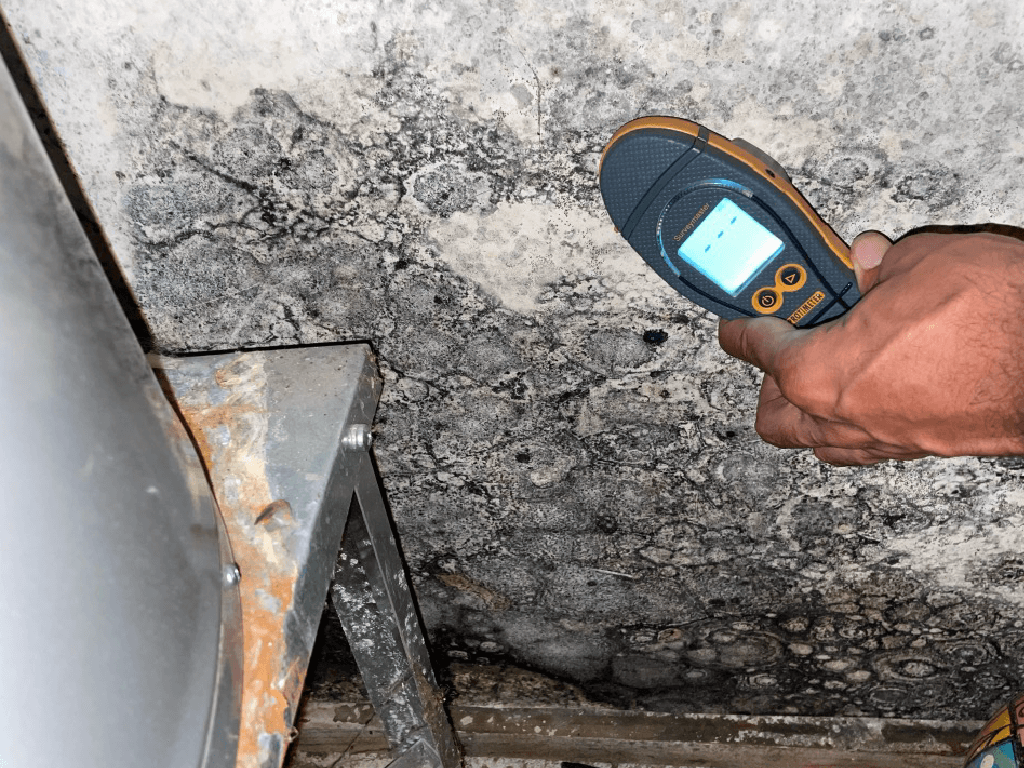
Technicians use moisture meters to evaluate moisture levels in building materials. Infrared cameras can reveal temperature patterns that suggest areas requiring closer inspection. Because infrared cameras detect temperature differences rather than water directly, technicians confirm suspected moisture using appropriate testing methods.
In multi-unit buildings, hidden moisture can create additional challenges because water may travel between adjoining spaces or floors. Identifying the full affected area helps property managers coordinate mitigation and communicate with tenants.
Rytech Restoration of Seattle uses advanced detection equipment and documented moisture readings to guide water extraction, drying, and monitoring.
Choosing Mold-Resistant Materials After Water Damage
Once a water damage project has been completed, property owners may consider materials that offer better resistance to moisture in certain areas.
Mold-resistant drywall, moisture-tolerant insulation, and coatings designed for damp environments may help reduce future problems when used in appropriate locations.
Bathrooms, laundry rooms, and other moisture-prone spaces are common areas where these products may be considered. In Washington, material selection should also account for seasonal rain, cool temperatures, and the way the building manages moisture.
However, no building material can compensate for an ongoing leak. Mold-resistant drywall will not stop water entering through damaged flashing, and antimicrobial paint cannot solve moisture trapped inside a wall cavity.
Product selection should follow a proper assessment of the building's moisture conditions. Qualified building professionals can help determine suitable materials when a property moves into the rebuilding stage.
Rytech's role in the restoration process focuses on assessing damage, removing materials that cannot be restored, and drying salvageable materials. That work helps establish suitable conditions for the next stage of recovery.
When to Call Professional Mold Remediation Specialists in Seattle
A small damp spot may seem manageable, but recurring moisture, visible mold growth, or a musty odor coming from behind a wall can point to a larger problem.
Professional help is especially valuable when water has affected multiple rooms, entered wall cavities, reached HVAC components, or involved sewage or outdoor flooding.
Mold remediation begins with identifying the moisture source and determining which materials are affected. Depending on the conditions, trained specialists may establish containment barriers, use HEPA-filtered equipment, remove contaminated porous materials, and clean surfaces that can be restored.
The ANSI/IICRC S520 standard provides a framework for professional mold remediation. ANSI/IICRC S500 addresses professional water damage restoration. Together, these standards support a systematic approach to assessment, drying, material handling, and documentation.
Rytech Restoration of Seattle follows professional restoration practices designed to control contamination, reduce the spread of mold spores, and address affected materials.
Rather than promising that mold will never return, the team focuses on correcting the conditions associated with the damage and documenting the work performed.
Why Local Restoration Experience Matters in Seattle and King County
Seattle properties face moisture challenges that differ from those in many drier parts of the country. Frequent rainfall, cool temperatures, seasonal storms, and damp outdoor conditions all affect how water damage develops.
Building types also vary throughout King, Snohomish, and Pierce counties. Older homes may feature plaster walls, wood framing, and basements. Newer residential and commercial buildings often contain drywall, concrete slabs, and modern flooring systems.
Each building responds differently when water enters.
A roof leak in an older Craftsman home may affect plaster and wood framing, while a plumbing failure in a newer building can send water beneath flooring and into wall cavities. Basement water intrusion introduces additional concerns because moisture can remain trapped against foundation walls and floor coverings.
Local experience helps restoration teams understand where water is likely to travel and which materials may be affected.
Rene Castillo, owner of Rytech Restoration of Seattle, offers this perspective:
“Around Seattle and King County, we work with many different building types, from older homes with basements, plaster, and wood framing to newer apartments and commercial spaces with drywall and concrete floors. Winter pipe breaks, roof leaks, and long periods of rain can leave moisture hidden behind finishes. Our approach is to find where the water traveled, dry what can be saved, and explain the process so property owners know what comes next.”
Rene Castillo, Owner, Rytech Restoration of Greater Seattle
For homeowners, rental property managers, and commercial businesses in Seattle, Bellevue, Woodinville, and surrounding communities, professional moisture detection and a clear drying plan can make recovery easier to manage.
Preventing Water Leaks Before They Cause Mold
Many water damage problems begin with small maintenance issues. A loose plumbing connection, damaged roof flashing, or clogged gutter can allow moisture to enter a building long before major damage becomes visible.
Routine inspections help catch these problems early.
Inside your property, check beneath sinks, around toilets, behind washing machines, and near water heaters. Look for corrosion, water stains, damp cabinet surfaces, and flooring changes.
In Seattle, plumbing maintenance also deserves attention before cold weather. Pipes in unheated or poorly insulated areas may be more vulnerable to freezing during winter cold snaps.
Outside, inspect gutters and downspouts to make sure rainwater flows away from the building. Check drainage paths and watch for areas where water repeatedly collects after storms.
Roof inspections can identify damaged shingles, flashing, and openings that allow rainwater into attics or ceilings. Properly selected sealants and waterproofing measures may help address vulnerable building openings.
For apartment buildings, offices, restaurants, and commercial properties, scheduling inspections before the rainy season and after major storms can help reduce unexpected water damage.
How Mold Exposure Can Affect Indoor Air Quality
Mold grows in damp environments and releases spores into the surrounding air. Some people experience symptoms when exposed to mold, including coughing, sneezing, nasal congestion, irritated eyes, and skin irritation.
People with asthma or mold allergies may experience stronger reactions. Children, older adults, and people with weakened immune systems may also be more sensitive to damp indoor environments.
Visible mold is not the only concern. Growth hidden behind drywall, beneath flooring, or inside other concealed spaces can contribute to persistent musty odors.
For a Seattle rental property, indoor air quality concerns may affect tenant comfort. In a home, they can disrupt daily life. For commercial properties, they may create concerns for employees and customers.
Addressing the moisture source and professionally removing affected materials helps reduce mold contamination and improve indoor conditions.
Documenting Water Damage for Insurance Claims
When water damage affects your property, clear documentation helps everyone understand what happened and how the damage was addressed.
Start by photographing affected rooms, flooring, walls, and belongings when the area is safe. Record when the water damage was discovered and any steps taken to stop the source.
Keep receipts for emergency services, plumbing work, and other related expenses. If a contractor identifies the source of the water intrusion, save that information with your project records.
Professional restoration documentation adds useful detail. Moisture readings, photographs, drying records, and descriptions of affected materials help show the scope of the damage and the mitigation work performed.
Rytech Restoration of Seattle provides project documentation and clear communication throughout the restoration process. This helps homeowners, business owners, property managers, insurance agents, adjusters, and carriers stay informed.
For property owners unfamiliar with insurance claims, having an experienced restoration team explain the mitigation process can make the next steps easier to understand.
Signs Mold May Be Growing After Water Damage
Mold growth is not always obvious. In some cases, the first sign is a musty smell that returns after cleaning.
Dark or discolored spotting near baseboards, around windows, or behind furniture may also point to a moisture problem. Paint that begins peeling, drywall that feels soft, or flooring that starts to warp can indicate that water remains trapped.
These signs do not always mean mold is present, but they deserve investigation.
Mold can appear in different colors and patterns. Its appearance alone cannot identify the type of mold or show how far growth extends behind a surface.
If a room develops a recurring odor after a leak, professional moisture testing can help determine whether hidden dampness remains.
Following professional mold remediation, a post-remediation evaluation may be appropriate. Depending on the project, an independent indoor environmental professional may assess whether the agreed remediation criteria have been met.
The purpose is to evaluate the completed work and confirm that the affected area has been addressed according to the project plan.
Long-Term Moisture Control for Seattle Properties
Preventing future mold growth means keeping moisture under control long after the original leak has been resolved.
Seattle properties benefit from regular checks of plumbing fixtures, exterior doors, windows, and drainage systems. Condensation around windows or on cool walls may indicate that indoor humidity or ventilation needs attention.
Smart leak detectors offer another way to identify water problems early. These devices can be placed near washing machines, water heaters, sinks, and other plumbing fixtures. Some models send phone alerts when water is detected.
For rental property owners, smart sensors can be especially useful when a unit is unoccupied. An alert may allow a manager to investigate a leak before the next scheduled visit.
Commercial buildings may benefit from humidity monitoring systems and routine maintenance records. Property managers can track moisture-prone areas and identify changes that suggest a developing problem.
In locations where rainwater repeatedly collects near a building, improvements to drainage, gutters, or grading may help reduce future water intrusion. Seattle's hilly terrain can also influence how runoff moves toward foundations and lower-level spaces.
Across Seattle, Bellevue, Renton, Kent, Tacoma, and surrounding communities, consistent moisture monitoring helps property owners stay ahead of problems that might otherwise remain hidden.
Printable Water Damage & Mold Prevention Checklist
When water damage happens, a simple checklist can help you stay organized. Print or save the following steps for your home, rental property, or business.
Water Damage & Mold Prevention Checklist
When water damage is discovered
- Check for electrical hazards and unsafe conditions.
- Stop the water source when safe to do so.
- Determine whether the water may be contaminated.
- Photograph affected rooms and belongings.
- Keep people and dry belongings away from affected areas.
- Arrange prompt water extraction when needed.
During the drying process
- Move unaffected belongings to a dry location.
- Remove small washable rugs when conditions allow.
- Check whether outdoor humidity will help or slow drying.
- Use appropriate dehumidification and airflow.
- Have moisture checked beneath flooring and inside walls.
- Confirm which materials can be dried and which require removal.
After cleanup and drying
- Monitor indoor humidity with a hygrometer.
- Check for new stains, musty odors, or visible growth.
- Save moisture readings, inspection findings, and receipts.
- Inspect plumbing, roofing, gutters, and drainage systems.
- Consider smart leak detectors in high-risk locations.
- Schedule a professional inspection if moisture concerns remain.
Keep this checklist with your property maintenance records or emergency contact information. Rental property owners and commercial property managers can also share it with maintenance teams to help guide the first response to a water incident.
Get Inspected to Stay Protected With Rytech Restoration of Seattle

Water damage can leave moisture behind in places you cannot see. When that happens, a professional inspection can help identify affected materials, determine where drying is needed, and reduce the chance of a small leak becoming a larger mold problem.
Rytech Restoration of Seattle provides professional water damage restoration services in Seattle, moisture inspections, and mold remediation support for residential and commercial properties.
Our team focuses on accurate moisture detection, science-based drying methods, restoring salvageable materials, limiting unnecessary demolition, and documenting the work performed. We also help property owners and insurance professionals understand the mitigation process through clear communication.
Whether you own a home in King County, manage rental properties in Bellevue, or operate a business in Pierce County, our goal is to help you move forward with confidence.


