

Understanding Water Damage in Seattle and King County
Rain is part of life in Seattle, WA, and across King County, that steady moisture shapes how buildings age, settle, and sometimes fail. A small roof leak in Bellevue might go unnoticed through weeks of drizzle. A backed-up drain in a Renton commercial property can escalate overnight. Water damage here often builds quietly—until it suddenly doesn’t.
This guide walks you through how water damage happens, what to look for, and how restoration works in real-world Seattle conditions. Whether you manage multi-family units in Tacoma or own a home in Woodinville, understanding the process gives you control when things feel uncertain.
Common Causes of Water Damage in Seattle Properties
Seattle’s climate plays a major role, but water damage rarely comes from just one source. In many homes around King County, aging plumbing systems develop slow leaks inside walls or beneath flooring. Over time, moisture builds up where no one can see it.
Heavy rainfall also pushes water into places it shouldn’t go. Roof systems in older Seattle neighborhoods—especially those with moss buildup or worn flashing—allow water intrusion during long stretches of wet weather. Add in appliance failures like water heaters or dishwashers, and you have multiple risk points inside a single property.
Each of these sources affects materials differently. Clean water from a pipe behaves one way. Stormwater entering through a foundation behaves another. That difference shapes how restoration is approached from the start.
Water Damage Categories and Why They Matter
Water isn’t all the same once it enters a structure. The ANSI/IICRC S500 standard defines three categories that guide how restoration is handled.
Category 1 water starts clean—like a broken supply line. If addressed quickly, many materials can be restored without extensive removal. Category 2 water carries contaminants from sources like washing machines or sump pump failures. Category 3 water, often seen after sewer backups or flooding in low-lying areas of Seattle, contains harmful contaminants and requires controlled handling.
Here’s the part many property owners don’t realize: water can change categories over time. A clean water loss left untreated will degrade, increasing risk and complexity.
Signs of Water Damage in Seattle Homes and Buildings
Water damage rarely announces itself with a flood. In Seattle properties, the first clues often show up slowly. A faint discoloration on a ceiling. Slight warping in hardwood floors common in older homes. A musty odor that lingers after windows stay closed during rainy weeks.
As moisture spreads, materials react. Drywall softens. Paint begins to bubble. Floors may shift or cup. In some cases, dark spotting appears, pointing to microbial activity in damp areas.
When you notice these changes, you’re seeing the result of moisture that has already moved through the structure.
What to Do When Water Damage Happens
When water enters your property, your response sets the tone for everything that follows. Acting quickly reduces how far moisture travels and how much material becomes affected.
Start by stopping the source. Shut off the water if a pipe has failed. If conditions allow, disconnect power in affected areas to reduce risk. Then move contents away from wet zones—furniture, documents, and electronics.
Next comes documentation. Photos and notes provide clarity for the insurance process. From there, connecting with a professional water damage restoration company in Seattle ensures the situation is assessed properly and handled using proven methods.
Why Timing Makes a Measurable Difference
Water moves fast through building materials. Within hours, it reaches subflooring and insulation. Within a day or two, moisture conditions can support microbial growth.
The ANSI/IICRC S500 standard outlines that rapid response limits damage progression and supports more effective drying outcomes.
In a Seattle home, quick action may preserve original hardwood flooring. In a commercial property in Federal Way, it can prevent downtime and operational disruption.
How Extraction and Drying Work Behind the Scenes
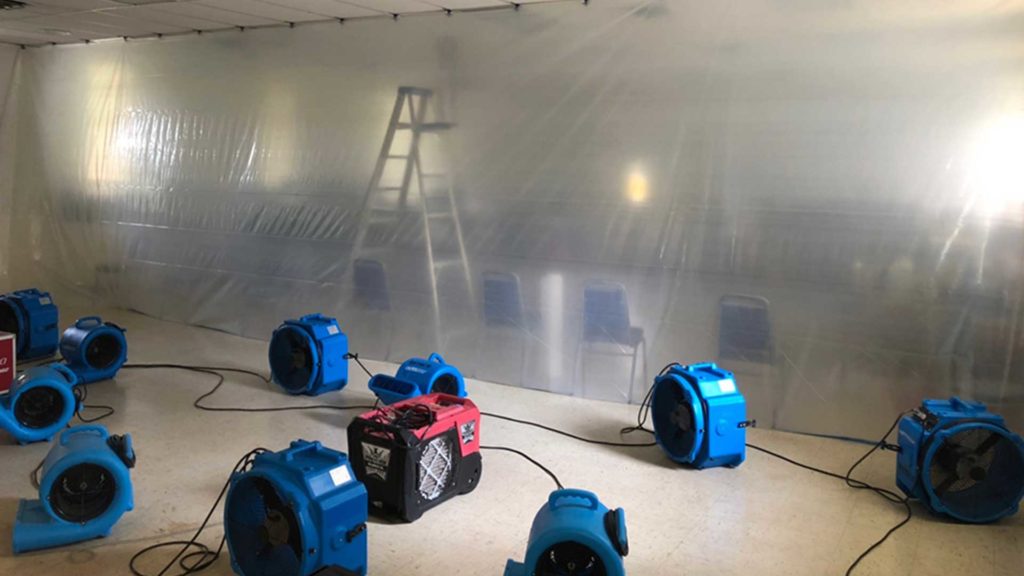
Once standing water is removed, the focus shifts to controlled drying. This isn’t about simply “airing things out.” It’s about managing airflow, temperature, and humidity in a precise way.
Air movers push moisture off surfaces. Dehumidifiers pull that moisture from the air. Technicians monitor progress using moisture meters and thermal imaging tools, ensuring hidden moisture pockets are identified and addressed.
This process follows drying science principles built into the S500 standard, where consistent monitoring leads to predictable, reliable outcomes.
Mold Growth and Moisture Control in Seattle’s Climate
Seattle’s damp environment creates conditions where moisture lingers longer. When materials remain wet, microbial growth becomes more likely, especially in enclosed spaces.
The ANSI/IICRC S520 standard outlines that proper mold remediation focuses on containment, safe removal, and controlling moisture to prevent future growth.
In practical terms, that means addressing the source of moisture while managing affected areas carefully. Removing the moisture changes the environment—and that shift stops further spread.
Tools and Technology Used in Restoration
Modern restoration relies on more than basic equipment. High-capacity extractors remove water quickly. Air scrubbers help manage airborne particles during drying and cleaning phases. Moisture meters and hygrometers track conditions in real time.
Protective equipment also plays a role, especially when working in contaminated environments. These tools allow technicians to work efficiently while maintaining a controlled, safe environment.
Health and Safety During Water Damage Events
Water damage impacts more than building materials. Contaminated water introduces potential health concerns, and damp environments affect indoor air quality.
That’s why professional restoration follows structured safety protocols. Controlled work zones, proper protective gear, and consistent monitoring help reduce exposure risks. In some cases, temporary relocation may be recommended depending on the scope of impact.
Navigating the Insurance Process with Confidence
For many Seattle property owners, the insurance process feels unfamiliar. Documentation plays a major role here—photos, moisture readings, and detailed records help adjusters understand the full scope of damage.
Restoration professionals often assist by providing structured reports and data that support accurate claim evaluation. Given that a large portion of restoration work involves insurance claims, having a knowledgeable guide helps move things forward smoothly.
What Drives the Cost of Water Damage Restoration
Every water loss is different. A small, clean water issue in a single room looks very different from a large-scale loss involving multiple units in a Seattle apartment complex.
Costs are influenced by the size of the affected area, the category of water involved, and how deeply moisture has penetrated materials. Situations involving contamination or extended drying timelines naturally involve additional steps.
Understanding these factors helps property owners make informed decisions during the process.
DIY vs Professional Restoration in Real Situations
A small spill on a kitchen floor is manageable. Water that has moved into walls or subflooring is a different situation entirely.
Standard household equipment can’t control humidity or detect hidden moisture. That gap leaves areas untreated, which leads to ongoing issues.
Professional restoration provides controlled drying, accurate measurement, and documented results. That difference shows up weeks and months later.
Preventing Water Damage in Seattle Properties
Prevention in Seattle starts with managing water flow. Regular roof inspections, especially after heavy rain seasons, reduce the chance of unnoticed leaks. Cleaning gutters and maintaining downspouts helps direct water away from structures.
Inside the property, routine plumbing checks catch early signs of wear. Installing leak detection systems adds another layer of awareness. In areas prone to groundwater issues, sealing crawlspaces and basements helps limit intrusion.
What the Restoration Timeline Looks Like
Most projects follow a structured timeline. The first day focuses on assessment and water removal. Over the next few days, drying systems run continuously while conditions are monitored.
As moisture levels stabilize, cleaning and sanitation steps follow. More complex projects may extend depending on the extent of impact and materials involved.
Each phase builds on the last, creating a controlled path from damage to restored condition.
Industry Standards and Compliance in Seattle Restoration
Professional restoration follows established frameworks. The ANSI/IICRC S500 and S520 standards guide water damage restoration and mold remediation practices, ensuring consistent, science-based approaches.
These standards shape how inspections are conducted, how drying is monitored, and how safety is maintained throughout the process.
Local Insight from Rytech Restoration of Seattle
“In Seattle, we deal with a lot of long-term moisture exposure because of the climate,” says Rene Castillo, owner of Rytech Restoration of Seattle. “Many homes in King County use materials like wood framing and older insulation that hold moisture longer. Our team understands how these materials respond and uses IICRC-based drying methods to make sure everything is thoroughly addressed, not just what’s visible.”
Rene Castillo, Owner, Rytech Restoration of Seattle
That local experience matters when dealing with Seattle’s mix of older homes, modern builds, and commercial properties across King, Snohomish, and Pierce counties.
FAQs: Answering Your Pressing Water Damage Restoration Questions
At Rytech Restoration of Seattle, we know that water damage can be overwhelming. To help you through this difficult time, we’ve created a list of FAQs to give you a better understanding of our services, the restoration process, and what to expect when you choose to work with us.


