
Flooding in Seattle, WA rarely comes without warning. Heavy rain rolls through King County. A sump pump fails in a Beacon Hill basement. A frozen pipe bursts during a winter cold snap in Bellevue or Renton. Within minutes, water spreads under flooring, behind drywall, and into insulation.
In the Pacific Northwest, moisture is part of life. That reality makes fast, professional water damage restoration in Seattle even more critical. Whether you own a home in Ballard, manage an apartment complex in Kent, or oversee a commercial facility in Tacoma, knowing what to expect after flooding helps you move quickly and protect your investment.
Here is how Rytech Restoration of Seattle guides property owners, managers, and insurance professionals through the recovery process.
Immediate Safety Steps After Flooding in King County
Water and electricity create serious risk. Before stepping into standing water, shut off power to affected areas if it is safe to access the breaker panel. If gas appliances were exposed, turn off the gas supply.
Avoid entering rooms where ceilings sag or flooring feels unstable. In older Seattle homes with finished basements, water often seeps into framing cavities and under subfloors. Protective gear such as gloves, rubber boots, and a mask reduces exposure until trained technicians arrive.
Limiting access prevents injuries and reduces further structural damage. Acting carefully in the first few hours sets the tone for a smoother restoration.
Professional Assessment of Water Damage in Seattle
When our team arrives, we follow the ANSI/IICRC S500 Standard for Professional Water Damage Restoration. This standard defines how water damage must be inspected, categorized, documented, and dried.
Surface water tells only part of the story. Moisture migrates into wall cavities, insulation, and structural framing. Using professional moisture meters and infrared thermal imaging, we map out hidden saturation behind drywall and beneath engineered flooring.
Seattle’s climate presents unique challenges. High outdoor humidity and cool temperatures slow evaporation. A detailed assessment allows us to build a drying plan tailored to the specific structure, whether it is a modern condo in downtown Seattle or a wood-framed home in Snohomish County.
Understanding the Different Types of Water
Not all water damage carries the same level of contamination. The IICRC standard identifies three categories of water that determine cleaning and mitigation procedures.
Clean water typically comes from broken supply lines or rain intrusion. Gray water may originate from appliances and contains moderate contamination. Black water includes sewage backups or floodwater that enters from outside, often during severe storms in low-lying areas of King or Pierce County.
Water conditions change over time. Clean water left untreated will deteriorate into a more contaminated category. Fast mitigation protects structural materials and reduces health concerns.
24/7 Emergency Response When You Need It Most
Water damage does not wait for business hours. A burst pipe at 2 a.m. in Federal Way or a commercial sprinkler discharge in Tacoma demands immediate attention.
Rytech Restoration of Seattle provides 24/7 emergency response because rapid action will reduce material damage and shorten drying time. During your first call, we gather details about the source, affected areas, and safety concerns. Our IICRC-certified technicians arrive prepared with commercial extraction units and advanced drying systems.
If you are searching for trusted <a href="https://seattle.rytechinc.com/" title="Water Damage Restoration Seattle WA">water damage restoration in Seattle</a>, our team combines local expertise with national resources, advanced technology, and decades of restoration leadership.
Water Extraction and Controlled Structural Drying
Standing water must be removed quickly. High-powered extraction equipment eliminates bulk water from floors and carpets.
Drying, however, requires more than fans. The S500 standard outlines the science of evaporation and humidity control. Air movers create consistent airflow across wet surfaces, while commercial dehumidifiers remove moisture from the air to promote controlled drying of structural materials.
Seattle’s damp climate can extend drying times without proper humidity control. Daily moisture readings confirm progress and ensure materials return to acceptable moisture levels. Precision drying protects wood framing, drywall, and subfloors from long-term deterioration.
Mold Prevention and Professional Remediation
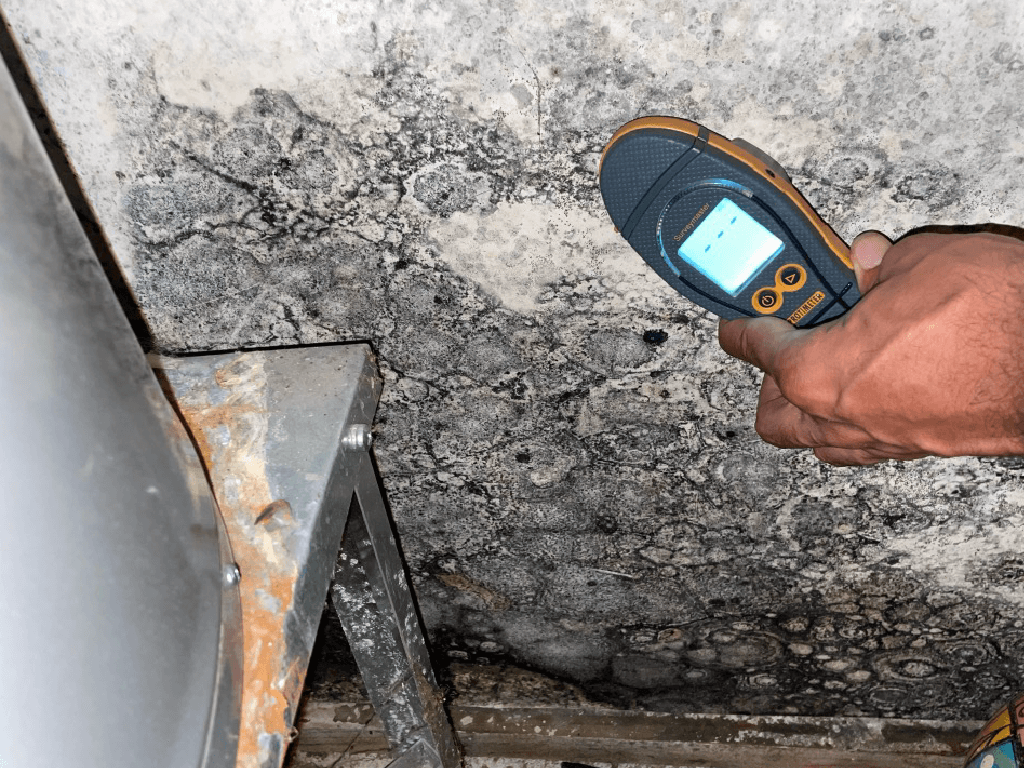
Moisture and organic building materials create the perfect environment for mold growth. In the Pacific Northwest, where humidity remains elevated for much of the year, mold can develop quickly if water damage is not addressed thoroughly.
The ANSI/IICRC S520 Standard for Professional Mold Remediation guides containment, removal, and cleaning procedures. Our team establishes containment barriers when necessary and uses HEPA filtration to reduce airborne spores during remediation. We focus on removing affected materials that cannot be restored and cleaning structural components to reduce mold spore levels to normal indoor conditions.
“We work on everything from historic Seattle homes with old-growth lumber to new commercial buildings in Bellevue. After years serving King, Snohomish, and Pierce counties, we know how moisture behaves in Pacific Northwest construction. Fast extraction and controlled drying will protect materials before mold has the chance to spread.”
Rene Castillo, Owner, Rytech Restoration of Seattle
Structural Inspection and Material Evaluation
Flooding affects structural components in different ways. Hardwood floors may cup or buckle. Drywall loses structural integrity when saturated. Insulation traps moisture and slows drying.
Using moisture meters and infrared imaging, we evaluate floors, ceilings, wall cavities, and foundations. Decisions are based on measurable data. Materials that can be restored are dried in place when possible. Materials beyond structural integrity are removed carefully and documented.
This approach preserves property value while maintaining safety.
Salvaging Personal and Commercial Contents
Water damage impacts more than walls and floors. Furniture, electronics, documents, and business inventory often require specialized handling.
Our team sorts contents into restorable and non-restorable categories. Restorable items are cleaned and disinfected using industry-approved techniques. For commercial clients in Seattle, Kent, or Tacoma, packout services allow operations to continue while mitigation is underway.
Protecting contents reduces financial loss and helps families and businesses recover faster.
Insurance Documentation and Claims Support
For many property owners, the insurance process feels unfamiliar after a loss. Clear documentation simplifies communication between homeowners, adjusters, and carriers.
We photograph affected areas, record moisture readings, and provide detailed scope documentation aligned with IICRC standards. Accurate reporting supports transparent evaluation of damages. Insurance professionals value measurable data and organized records.
Having a knowledgeable restoration partner makes the process more manageable and predictable.
Cleaning and Sanitizing After Water Damage
Once structural drying is complete, cleaning begins. Surfaces exposed to contaminated water are treated with EPA-approved disinfectants according to manufacturer guidelines.
Porous materials that cannot be restored are removed. Remaining structural components are cleaned thoroughly to reduce bacteria, residues, and odors. This final cleaning stage prepares the property for safe re-occupancy.
For office buildings, retail spaces, and residential properties across King County, sanitation restores confidence.
Repair Coordination and Recovery Planning
After mitigation and cleaning, the property transitions into the rebuilding phase. Utilities and insulation are prioritized to restore functionality quickly.
While Rytech specializes in mitigation and restoration, we coordinate closely with licensed contractors to ensure smooth progression into reconstruction. Clear communication between all parties keeps projects moving forward.
Preventing Future Flooding in Seattle
Seattle’s rainy climate requires proactive planning. Maintaining gutters and drainage systems directs water away from foundations. Installing backflow valves reduces risk during sewer surges. Regular plumbing inspections catch aging pipes before they fail.
Elevating sensitive equipment in basements and protecting vulnerable areas with moisture barriers can reduce exposure during heavy storms. Thoughtful preparation lowers the likelihood of repeat damage.
Cost Factors and Budget Planning
Restoration costs depend on measurable factors. The size of the affected area, water category, duration of exposure, and type of materials involved all influence the scope.
A localized appliance leak in Renton differs significantly from widespread storm intrusion in downtown Seattle. Detailed, transparent estimates allow property owners and managers to make informed decisions.
Accurate planning supports financial clarity from the beginning.
Timeline for Water Damage Restoration
Most projects move through defined phases: emergency response, mitigation, controlled drying, cleaning, and coordination for reconstruction. Drying may require several days, depending on environmental conditions and material saturation.
Commercial facilities or extended exposure can lengthen timelines. Consistent monitoring and communication keep stakeholders informed throughout the process.
Measured progress produces reliable outcomes.
Choosing a Certified Restoration Company in Seattle

When selecting a water damage restoration company, look for IICRC-certified technicians who follow recognized standards. Experience with Pacific Northwest construction and climate conditions adds another layer of expertise.
Rytech Restoration of Seattle delivers rapid response, advanced drying technology, detailed documentation, and a customer-first approach. We focus on restoring materials whenever possible and removing only what cannot be salvaged.
If flooding has affected your home or commercial property in Seattle, Bellevue, Tacoma, or surrounding areas, taking immediate action will protect your structure and contents.
FAQs: Answering Your Pressing Water Damage Restoration Questions
At Rytech Restoration of Seattle, we know that water damage can be overwhelming. To help you through this difficult time, we’ve created a list of FAQs to give you a better understanding of our services, the restoration process, and what to expect when you choose to work with us.


