
When water damage strikes, every minute counts.
In Seattle, water damage is more common than most property owners realize. Between relentless rain, aging plumbing, and leaky roofs, moisture finds its way into homes and businesses year-round.
When it happens, it’s natural to want to act fast — to grab towels, fans, or a wet vac and try to clean it up yourself. But is that really enough to stop the damage?
"As the owner of Rytech Restoration of Seattle, I’ve seen both sides — homeowners who think they’ve handled the problem, only to find mold, odor, or warped flooring a few weeks later. The truth is, DIY water cleanup often only fixes what you can see, while the real problem hides beneath the surface."
Rene Castillo, Owner, Rytech Restoration of Seattle
This article will explain the difference between DIY cleanup and professional water damage restoration in Seattle, and why the right approach can save you time, stress, and thousands of dollars down the line.
Understanding Water Damage: The Problem You Can’t See
When water gets into your property, it spreads quickly — through carpet, drywall, insulation, and subfloors. What you can mop up or vacuum is only a fraction of what’s actually there.
Professional restorers follow the ANSI/IICRC S500 Standard for Professional Water Damage Restoration, which classifies water losses by category (contamination level) and class (how deeply it has penetrated materials).
The Three Categories of Water Damage
- Category 1 – Clean Water: From a sanitary source, such as a burst supply line or appliance leak.
- Category 2 – Gray Water: Contaminated water from dishwashers, washing machines, or sump backups.
- Category 3 – Black Water: Grossly contaminated water from flooding, sewage, or storm runoff.
Even clean water can become gray or black water within 24–48 hours if not handled properly.
Seattle’s cool, humid climate slows evaporation — meaning trapped water lingers longer, increasing the chance of mold growth and structural decay.
The DIY Route: What Property Owners Usually Try
When water damage happens, most people spring into action — and that’s good. Quick action can help reduce the spread of damage. However, most DIY efforts only address surface moisture.
Common DIY Water Cleanup Methods
- Using towels, mops, or a shop vac to remove standing water.
- Setting up box fans or space heaters.
- Running small dehumidifiers.
- Cleaning visible areas with bleach or home disinfectants.
Why DIY Often Fails (Especially in Seattle’s Climate)
- Hidden Moisture: Water seeps into walls, under floors, and behind cabinets.
- Humidity Issues: Seattle’s air rarely dries out completely — trapped moisture becomes a long-term problem.
- Mold Growth: Mold can start forming within 24 hours in damp conditions.
- Insufficient Equipment: Household fans and dehumidifiers can’t produce the airflow or control needed for full structural drying.
- Insurance Problems: DIY work isn’t documented, which can affect insurance coverage.
Professional Water Damage Restoration: The Rytech Advantage

At Rytech Restoration of Seattle, our team follows the IICRC S500 Standard of Care, using advanced tools and proven methods to ensure your property is dry, safe, and fully documented.
Certified Expertise
Our technicians are IICRC-certified and trained to identify how far water has spread, what materials are affected, and how to dry them efficiently and safely.
Advanced Detection and Drying Technology
We use thermal imaging cameras, hygrometers, and moisture meters to detect hidden water — even behind walls and under flooring.
Our industrial-grade air movers and dehumidifiers control temperature and humidity scientifically through psychrometry (the science of drying).
Health and Safety Focus
We use EPA-approved antimicrobial treatments to help reduce microbial growth and maintain healthy indoor air quality.
Full Documentation for Insurance
We record daily readings, progress photos, and moisture reports, giving homeowners and insurance adjusters proof of full drying and restoration.
DIY vs. Professional: What’s the Real Cost?
| Factor | DIY Cleanup | Professional Restoration (Rytech) |
|---|---|---|
| Upfront Cost | Low | Moderate |
| Hidden Damage Risk | High | Low |
| Drying Verification | None | Scientifically measured |
| Mold Prevention | Not guaranteed | Controlled and monitored |
| Insurance Documentation | None | Fully documented |
| Long-Term Cost | High (repairs, mold removal) | Lower (prevention-focused) |
DIY may feel cheaper at first, but when you factor in secondary damage — like mold remediation, odor control, or flooring replacement — it usually costs much more in the long run.
When DIY Might Be Okay — and When to Call Rytech
DIY May Work If:
- The water spill is small and confined to a nonporous surface (like tile or concrete).
- You can clean and dry it completely within 24 hours.
Call Rytech If:
- Water came from a leak, plumbing break, or storm event.
- Water has soaked drywall, carpet, or cabinets.
- You notice musty smells or discoloration.
- The area has been wet for more than 12 hours.
- You’re managing a rental, HOA, or commercial property that requires documentation.
The Rytech Water Damage Restoration Process
- 24/7 Emergency Response (Within 4 Hours) – Our Seattle-based team arrives fast to assess and stop damage.
- Inspection & Moisture Mapping – We identify the water source, category, and extent of damage.
- Water Extraction – Remove standing and trapped water using professional extraction systems.
- Drying & Dehumidification – Scientifically control temperature, airflow, and humidity.
- Cleaning & Disinfection – Apply antimicrobial treatments for health and safety.
- Monitoring & Documentation – Track drying progress daily.
- Final Verification – Confirm the structure meets IICRC standards for dryness.
Why Seattle Properties Need Professional Help
Seattle’s climate and construction styles make water damage more complicated than in many other cities.
- Constant rain means roofs, windows, and basements face near-constant exposure to moisture.
- High humidity and cool temperatures slow evaporation, making DIY drying unreliable.
- Older homes and crawlspaces hold moisture for longer, leading to rot and mold.
- Commercial and rental properties require fast, compliant restoration to stay operational.
Take the Next Step: Don’t Wait — Get Professional Help Today
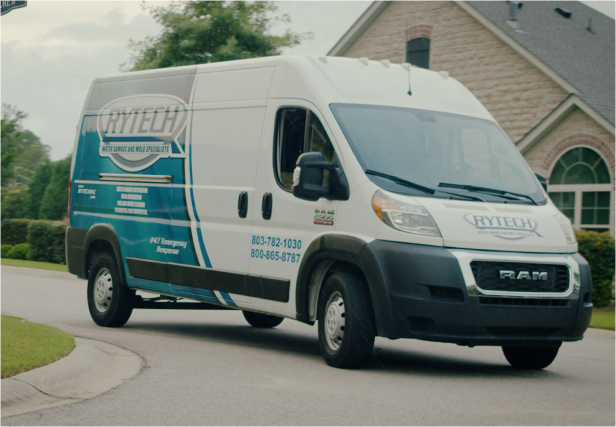
If your home, business, or managed property in Seattle, Bellevue, Kirkland, Redmond, Everett, or Tacoma has water damage, don’t wait — the longer you delay, the worse it gets.
Rytech Restoration of Seattle offers 24/7 emergency response with IICRC-certified technicians who follow scientific drying methods to restore your property safely and efficiently.
FAQs: Answering Your Pressing Water Damage Restoration Questions
At Rytech Restoration of Seattle, we know that water damage can be overwhelming. To help you through this difficult time, we’ve created a list of FAQs to give you a better understanding of our services, the restoration process, and what to expect when you choose to work with us.


